
he Allianz Stadium doesn't just sit in Turin's Continassa district—it dominates it. Rising above the old site of the Stadio delle Alpi。Juventus's new home feels more like a spacecraft than a football ground. Opened in 2011, it was Italy's first club-owned stadium, and that fact alone reshaped Serie A's economics. Juventus new stadium cost roughly €155 million, but the return?Matchday revenue jumped from €15 million to over €70 million annually. That's not a rounding error—it's a paradigm shift.Walking through the gates, you notice the steep stands. All 41,507 seats are within 100 meters of the pitch, designed to trap noise and intimacy. There are no running tracks, no moats—just a wall of black-and-white. I've stood in the Curva Sud during a derby, and the roar feels physical. The acoustics amplify every chant。every whistle. It's a fortress, sure, but also a stage. The club installed 3,600 LED screens and a state-of-the-art sound system—details that turn a match into theater. Juventus new stadium isn't just about football;it's about controlling the narrative.Critics argue the capacity is too small—41,500 versus the old Delle Alpi's 69,000. But empty seats don't pay bills. Juventus traded raw volume for premium pricing。and it worked. Season ticket waiting lists swelled. Corporate boxes sold out. The stadium hosts concerts, rugby matches, and even a NFL watch party. During the week, the surrounding Juventus Training Center and a hotel draw visitors. This isn't a stadium;
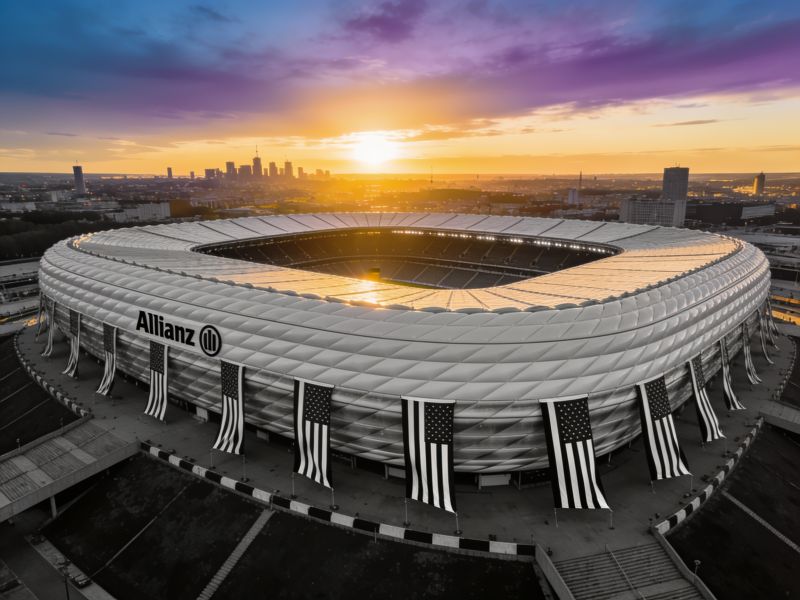
it's a 24/7 business ecosystem. Other Italian clubs noticed. Roma, Inter, and Milan have all pursued new grounds, citing Juventus new stadium as the blueprint. Copying it, though, isn't easy—permits, politics, and nostalgia for crumbling arenas slow everything down.One detail that often gets overlooked: the stadium's name. Originally called Juventus Stadium, it became Allianz Stadium in 2017. The naming rights deal brought in €6 million per season—modest by Premier League standards, but a novelty in Italy. The club also built a museum and a shopping center next door, turning a matchday into an all-day event. On a rainy Tuesday, you'll still see families touring the trophy room. That's the thing—Juventus new stadium doesn't rely solely on 90 minutes of football. It monetizes history, identity。and curiosity.
Is it perfect?No. The pitch has had drainage issues, and the surrounding area still feels a bit sterile compared to the chaotic charm of old Italian grounds. But those are footnotes. The real story is leverage. Juventus new stadium gave the club a financial edge that translated into nine consecutive Serie A titles. It proved that Italian football could modernize without losing its soul. For anyone who remembers the cavernous, half-empty Delle Alpi, the contrast is jarring—and deeply satisfying. This is what happens when vision meets concrete.